We’ve got thirteen days to go until fundraising closes, and Sam Perkins-Harbin and I have put together some new rewards for our backers. There will be a couple more rewards announced in the upcoming days, but this is definitely the largest batch!
(more…)
Elisabeth Blair has been doing a great job in her role as Editor, and I have posted the revised version of Chapter One on the Hungry Rats website. You can read it here.
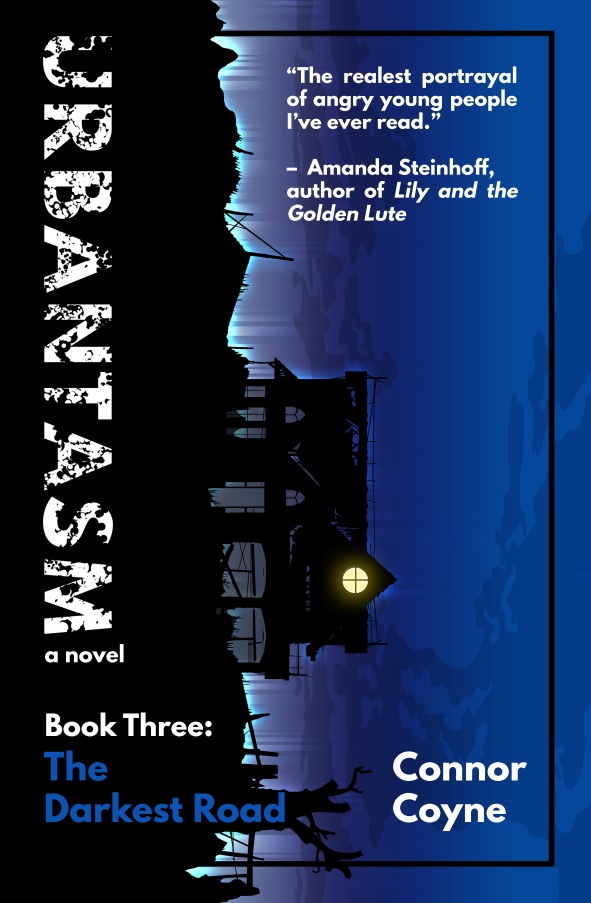
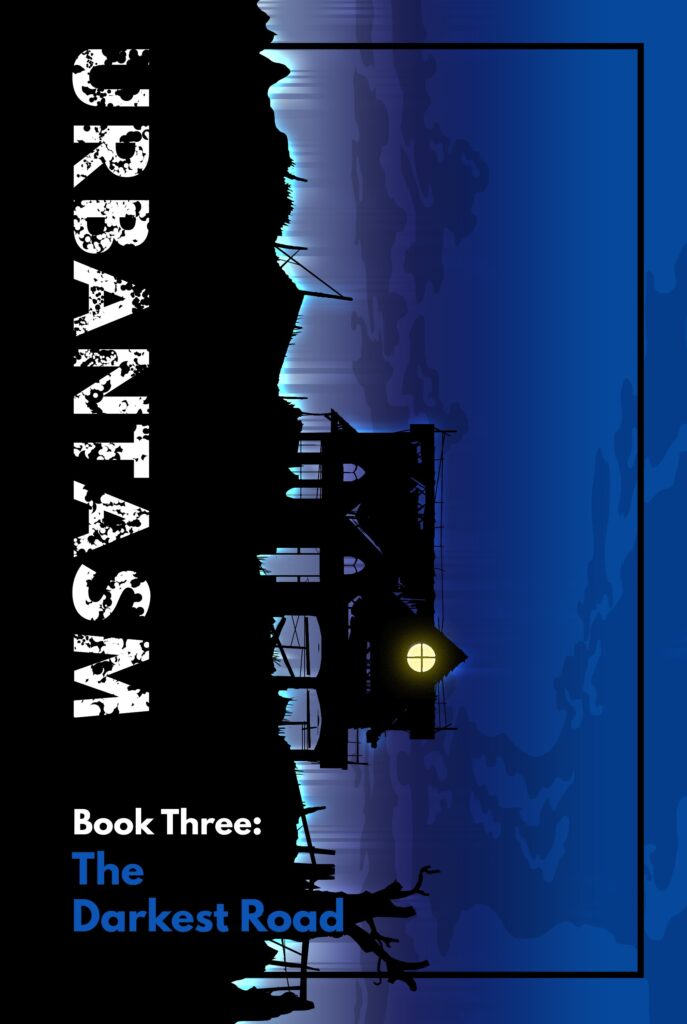
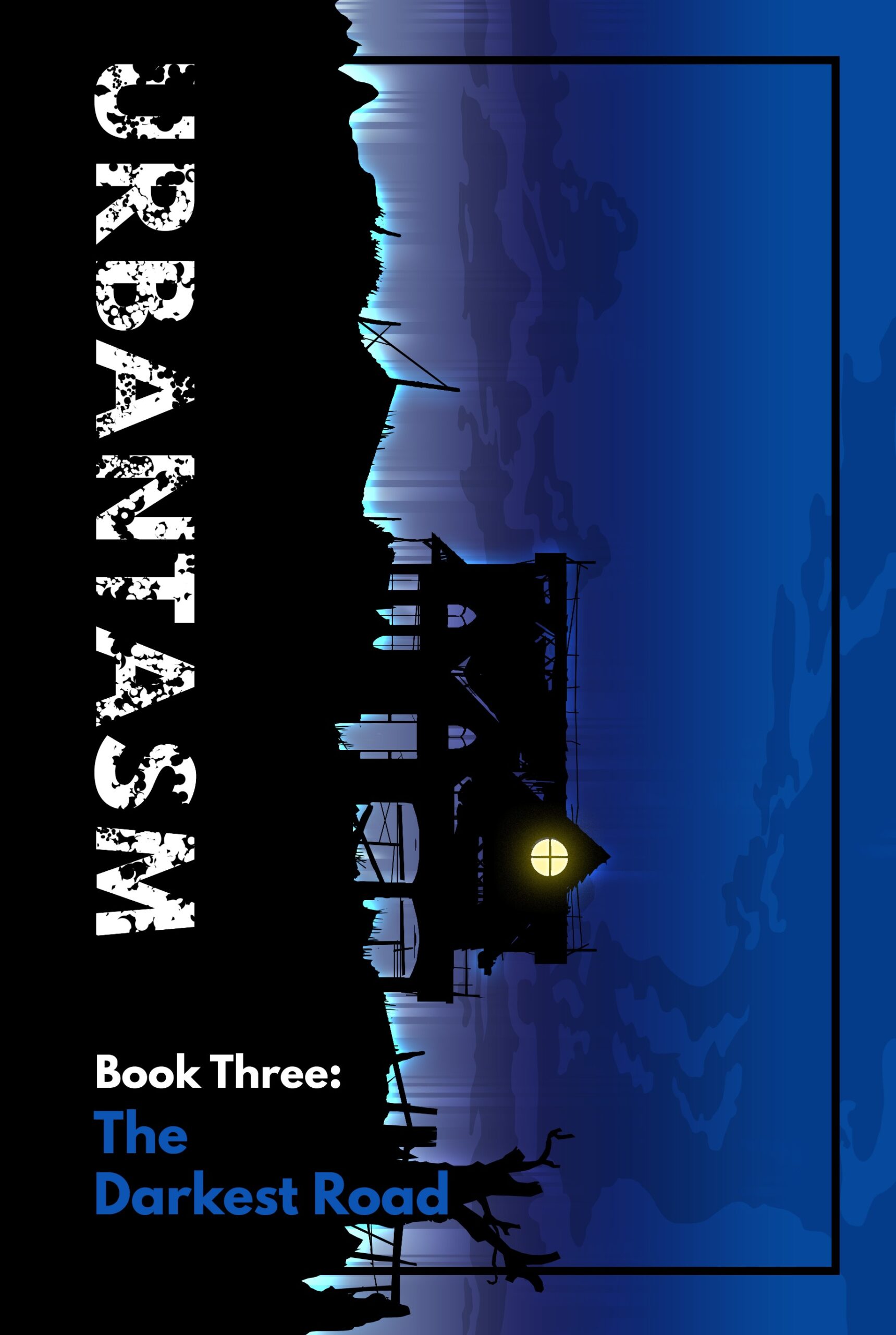
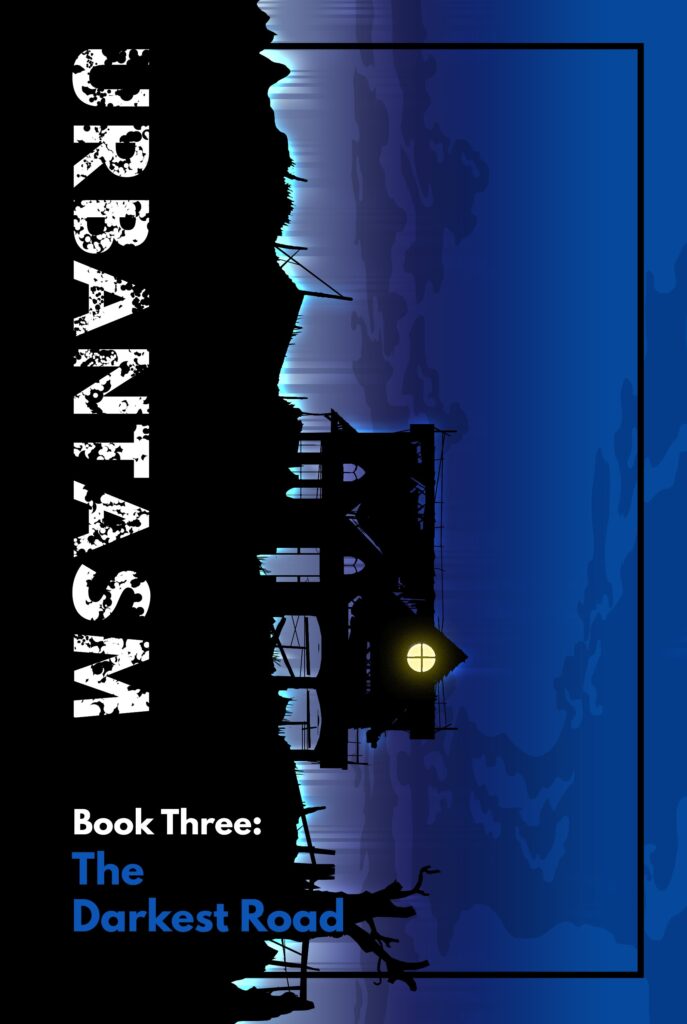
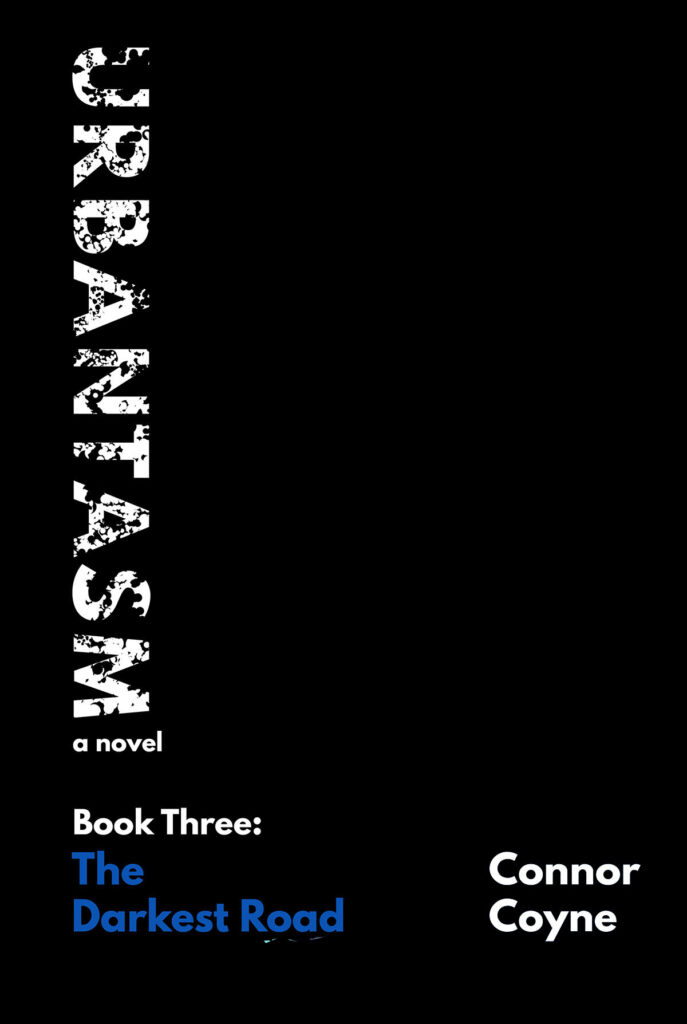
While Elisabeth and I have been working hard on the edits to get the manuscript into perfect shape, Sam Perkins-Harbin of Forge 22 has created a masterful and beautiful cover. It features his sister, Emily, as a stand-in for Meredith. You can also see Emily in our two promotional videos.
As with the edits, the cover is an ongoing project, but I am delighted to know that, even if we went to press tomorrow, we’d have a cover to be proud of. Scroll down to see Sam’s work.
Hungry Rats is scheduled to be available to the public late this summer.

First, I’m pleased to announce a new contributor to the Hungry Rats project. Nick Carone, a screenwriter from Chicago, is putting together an original work of fiction set in Flint during the Ratman murders. I have put his photo and a short bio up on the website under “contributors.” While a number of artists, musicians, and designers have added their stamp to the project, Nick is the first person to do so through prose writing.
The mainstream press has neglected a whole area of work rich in potential. Dismissively branded as “fan fiction” or “derivative work,” Hungry Rats seeks to promote these inspired and often startlingly original works on equal footing with the novel itself. After all; every fiction establishs a universe that is wholly unique and self-contained. Why not explore it from the angles of film and music, photography and painting, poetry and prose, for as long as it is interesting?
If you are interested in collaborating on Hungry Rats (and don’t limit yourself; I’m interested in everything above, and everything else from biology to theater to sociology to journalism), please drop me a line and let me know what you’re thinking!
I am very excited to announce the first installment of one of the most dynamic aspects of this project. Gothic Funk Press has finished producing the first of several promotional videos for this novel. It features text from Hungry Rats, includes a new song by Richard Whaling, stars Emily Perkins-Harbin as Meredith Malady, and was shot by Forge 22 and myself.
This video is to act exactly like a movie preview: by giving viewers a compelling glimpse of the story it encourages them to take a closer look, and hopefully to order the book. The video is an example of “viral marketing.” Viral marketing is a strategy that uses new technology in combination with the oldest form of advertising: word-of-mouth. If enough people are excited about Hungry Rats, and spread the word, the project builds buzz. This can more than compensate for our limited budget, but I can’t do it without your involvement. I repeat: I can’t do it without your involvement!
Please do all or any of the following to help share Hungry Rats far and wide.
1. Watch the video, and give it a five star rating! Leave comments. You can watch the video here: http://www.youtube.com/watch?v=ZoEaYl45z7E
2. Use the buttons at the bottom of the YouTube screen to share the video by email, Facebook, Twitter, or other networks.
3. You can also embed the video on your blog or website by posting the “embed” code from the YouTube page.
4. Many people forward emails to friends and family, so share the Hungry Rats videos with these people!
5. Overall, these videos are of central importance to marketing the novel… They are our best chance we have to increase excitement in the novel, and so a few enthusiastic emails and postings can make just as much of a difference as a donation. If you like the video, please consider sharing it with everyone you know, and encourage recipients to pass it down the chain.
Thank you for all of your help!
Connor Coyne
In recent updates, I’ve talked about Hungry Rats through the lens of the lumber era, teen noir, and fairy tales. That leaves just two important contexts: serial killers and Flint, Michigan.
Today I’ll tackle Flint.
By the time the lumberjacks arrived, Flint, Michigan was already decades old. It grew from a trading post near some old Indian battlegrounds. The warriors left their ghosts when they died. The fur traders came and left their ghosts, and so did the lumberjacks. Carriage makers and auto barons. Then, a great wave came from Germany, Ireland, England, Hungary, New York, Missouri, Tennessee and Kentucky. They built cars through the second World War, tore down buildings and threw up huge chunks of concrete. Sheet metal and train tracks stretched from one end of town to the other and the factories went out in every direction. Then, half of the people left. They left their ghosts behind too.
You can’t really throw a famous book without hitting the author who wrote it from “exile”: James Joyce, Toni Morrison, Vladimir Nabokov… they all wrote about places “they were but weren’t any more.” Ernest Hemingway was perhaps the most prolific diasporic writer, living seemingly everywhere, moving along, and then later writing about it.
In my case, I haven’t lived in Flint in years, and being one of the more picked-upon communities in this country, it’s awkward writing about the city from a genre that, by definition, digs up the dregs of our social existence. In fact, Hungry Rats surprised me by being the most publication-friendly of all my writings.
That said, I don’t think anyone would question my commitment to Flint. I lived in the pleasant, stable East Village neighborhood for most of my childhood, and later rented out a couple apartments on the rough and messy Eastside. I went to high school in the nearby suburb of Flushing, which might be described as an improved Eisenhower-era enclave, and have since divided most of my adult life between Chicago and New York.
Why write about Flint and what does it have to do with Hungry Rats?